Sri Lanka ‘a small island of magic and mystery’ and we fell in love with it. Set in the turquoise waters of the Indian Ocean, Sri Lanka is the the teardrop of the Indian Ocean. Rich in beauty and heritage, a unique feature of Sri Lanka is that within a few hours of travelling you get to experience delightful geographical contrast. From tropical beaches, to breathtaking hill country, through beautiful plains and lush green forests, our journey through Sri Lanka is one of pleasant change and remarkable scenery.
Sun, 4th November – Mon, 5th November: Mount Lavinia Hotel, Sri Lanka
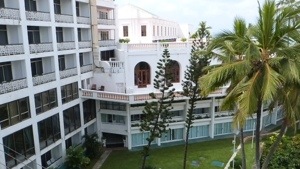
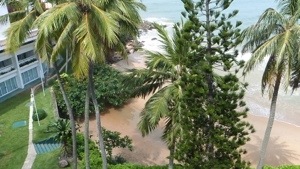
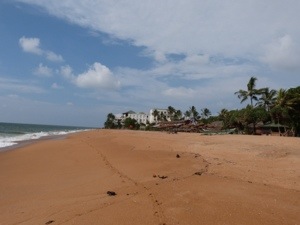
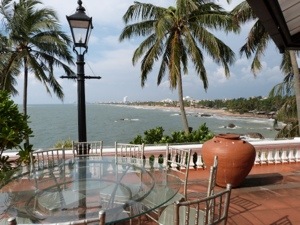
Our last two days of chilling before preparing for our 10 day tour are spent at Mount Lavinia. Overlooking the Indian Ocean, just outside Colombo, the Mount Lavinia Hotel is built around the colonial mansion of a former British Governor and is popular for colourful Sri Lankan weddings. In our short stay here we witness a wedding and a graduation – both of which look very grand affairs. Facilities include an outdoor pool, gym spa and a selection of bars and restaurants. The hotel also boasts a lovely sandy beach which our Ocean View Room overlooks.
Tue, 6th November – 11th November: Splendours of Sri Lanka Tour (Aitken Spence)
Our guide/driver, Fernando picks us up at 8.00am on Tuesday morning and, like our tour in India, it proves to be just as hectic.
Day 1: Colombo to the Cultural Triangle via Pinnawala (Heritance Kandalama)
We leave Colombo for the 5 hour drive towards the area known as the Cultural Triangle. En route we have the most amazing experience at the Pinnawala Elephant Orphanage.
Established in 1975, the orphanage commenced with seven orphans and today some of these orphans enjoy the fortune of seeing their grandchildren born in the same location. The original objective of establishing the orphanage inclined more towards tourism, but it soon became a conservation and educational centre. With the help of local and foreign elephant experts, Pinnawala started a scientific captive-breeding programme for elephants. The free movement of the herd enhanced the chances for respective individuals of both sexes to get together and mate. The nearby river played a dominant role in this regard, and in 1984, the first baby of Pinnawala was born. The success story of Pinnawala has drawn the attention of scientists from all over the world. The members of the Pinnawala herd which is now over 80 have been filmed and photographed thousands of times by professionals and we witness a film crew filming one particular elephant in the river whilst we are there.
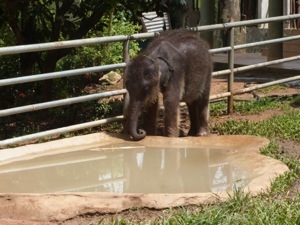
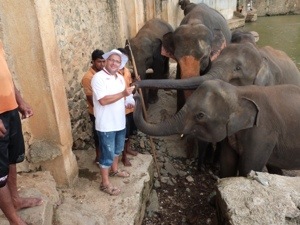
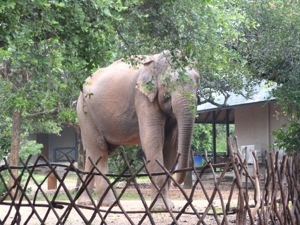
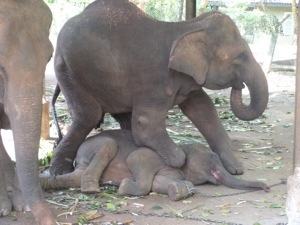
In the orphanage, we are literally standing amongst the herd of elephants and are able to hose down and bottle feed baby elephants – BIG BABIES !!!!! The elephant is the most adorable and amicable animal given it’s huge size. We are amazed at being part of them and it is a really surreal few hours.
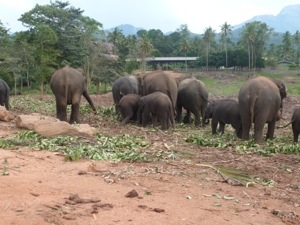
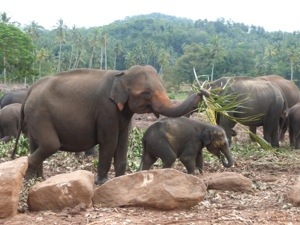
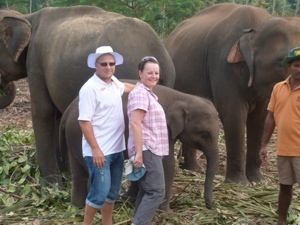
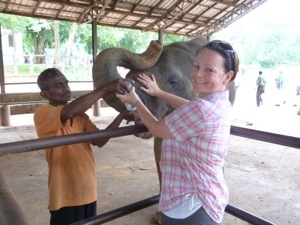
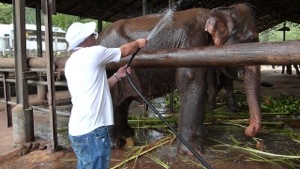
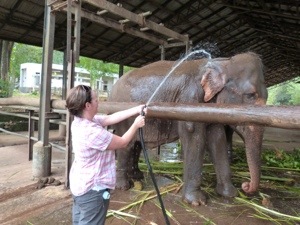
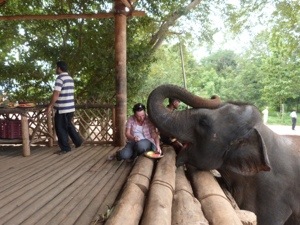
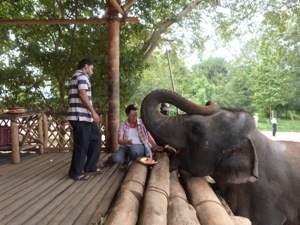
There are a couple of new arrivals (one at four months old and the other at six months old) and they are so cute … they were found stuck in wells and we are fortunate that they are here for us to see. For all its glory though there is a sad side to the orphanage as we see a 70 year old bull who is blind 😦 on hearing his story, it saddened us to know that he was shot for his tusks. It wasn’t a clean shot so he survived, tusks intact, but was left blind as a result – and is living out his years in the care of the orphanage. Another elephant had the bottom of her leg blown off by a land mine and it was heart wrenching to see her manage on three legs. But manage she does and I suppose she is lucky to be living at the orphanage.
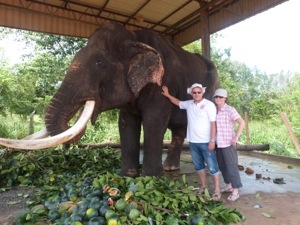

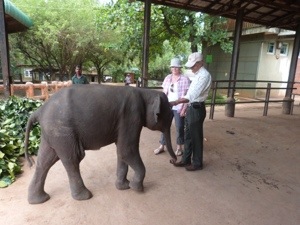
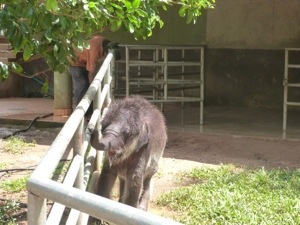
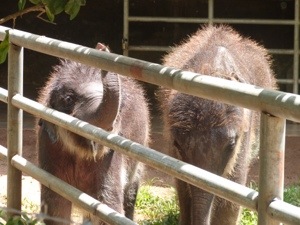
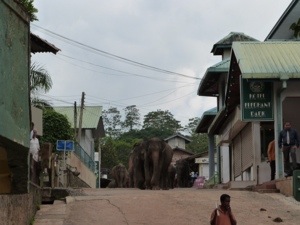
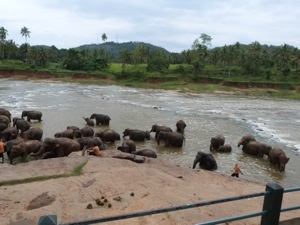
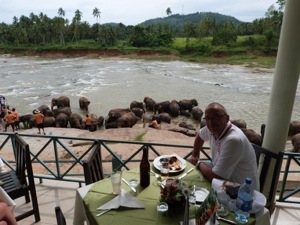
We hung around for ‘bath time’ and were so glad that we did. The route to the river was out of the Orphanage, across the road and through an avenue of shop stalls … and then there it was !!!! We headed off and secured a great position in the restaurant overlooking the river and waited. It wasn’t a long wait … and we were rewarded with the great sight of the herd of elephants just sauntering down the street and into the river. This was just another experience which couldn’t be described – you just have to experience it for yourself. Even Neil said that it had to be up there as one of the best experiences of his life and I have to agree.
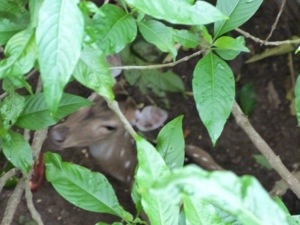
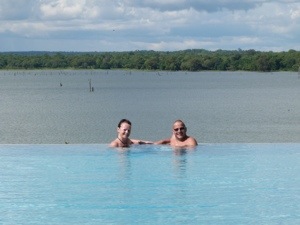
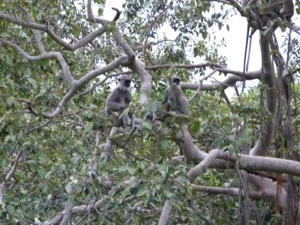
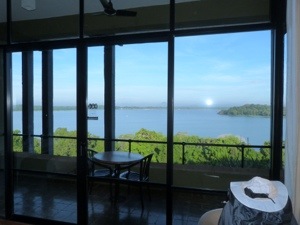
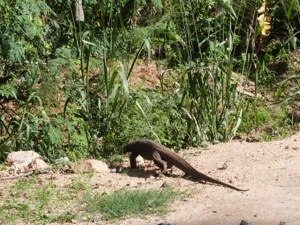
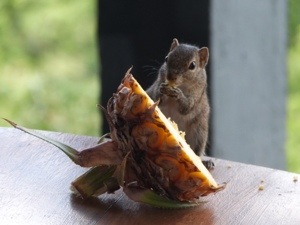
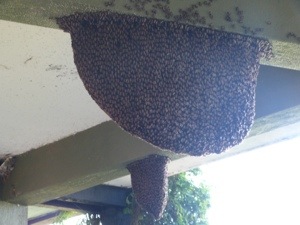
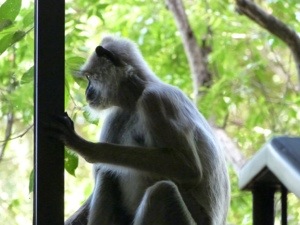
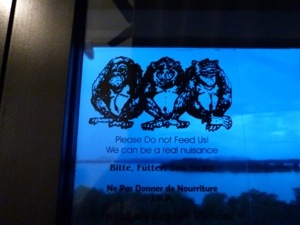
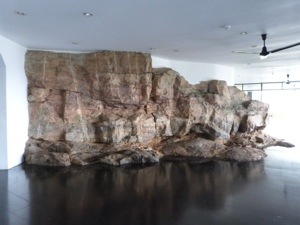
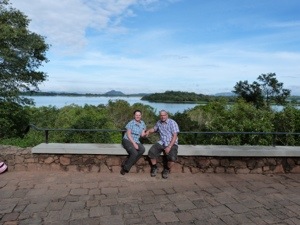
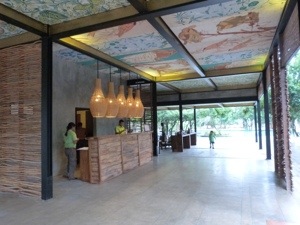
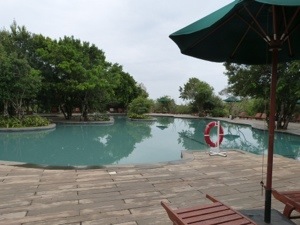
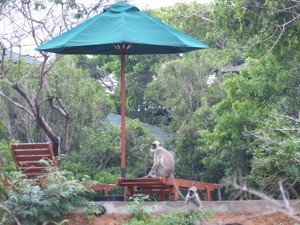
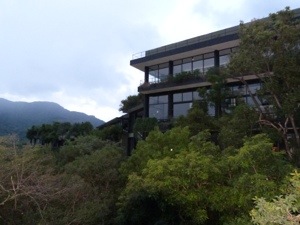
The icing on the cake is an absolutely incredible hotel, embedded in the rock in the Sri Lankan jungle – bloody brilliant!!!!!!! and we learn that we are here for three nights. This unique property is designed to blend effortlessly into the surrounding jungle, this striking property has a wonderful location on the edge of Lake Kandalama. OMG what a fabulous place – the hotel is nestled into the hillside and is at one with the vegetation and the wildlife. As we escorted to our room I am warned by the receptionist that ‘Madam, this hotel is in the jungle so there will be insects’ pmsl. We are inundated with monkeys, ghekkos, squirrels all of which frequent our balcony on the 7th floor. Also on our floor are two honeycombs covered with thousands of wasps. The swimming pool here blends in with the lake at the front of the hotel and, from a distance, the hotel is camouflaged.


Day 2: Polonnaruwa and Minneriya (Heritance Kandalama)
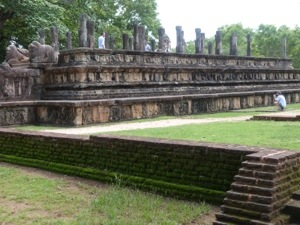
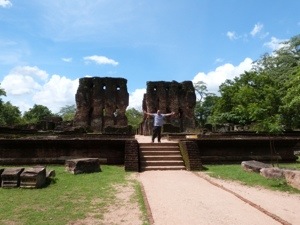
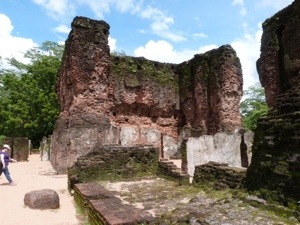
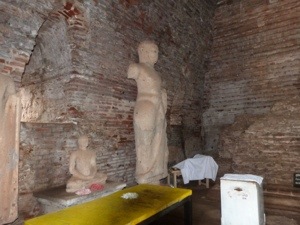
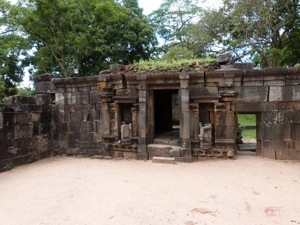
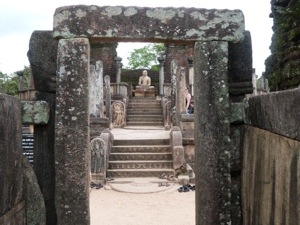
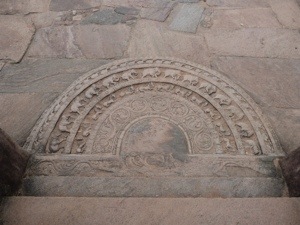
We visit Polonnaruwa, a Mediaeval Capital City and now a World Heritage site, which was the second capital city of Sri Lanka built in the 11th and 12th centuries. When, early in the 11th Century AD, Anuradhapura (Sri Lanka’s first capital founded in about the 4th Century BC) suffered one of the worst of its Indian invasions, Polonnaruwa, then fortified with three concentric walls and beautified with many parks and gardens, became the next seat of rule. The city itself has many ancient shrines and is well known for the unique irrigation complex known as the sea of Parakrama – so vast was its scale.
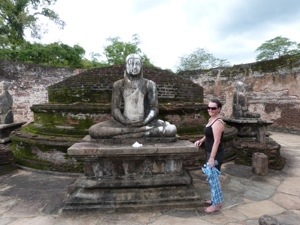 <;;;;;;;;;;;;;;;;;;;;;;
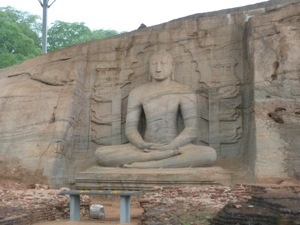
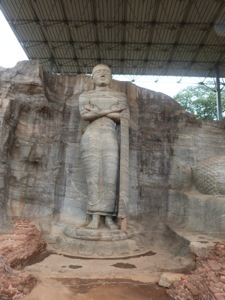
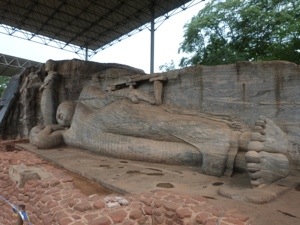
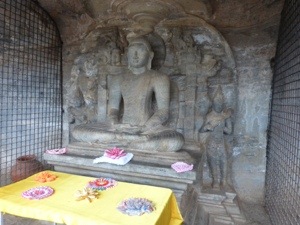
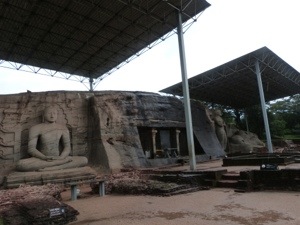
The ruins of the Royal Palace include the Gal Viharaya where four splendid statues of the Buddha in Upright, Sedentary and Recumbent postures carved out of rock, as well as the Audience Hall, Lotus Bath, statue of King Parakramabahu, and the Parakrama Samudraya – a lake built by the king. There are also monuments of famous places of worship such as the Shiva Temple, the Lankathilake, the Watadage, the Galpotha, the Kiri Vehera and the remains of a former Temple of the Tooth Relic.
!
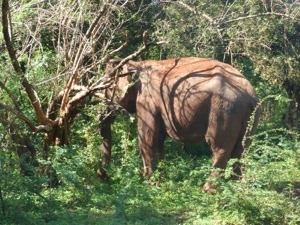
In Minneriya we do a safari of the Minneriya National Park by jeep. The extent of the Minneriya National Park is about 8889 hectares. There are wet-lands in this National Park which have international importance. Wild elephant, various amphibians, local and immigrant bird species are plenty – about 160 species of birds, 9 amphibians, 25 reptile species, 26 fish species and more than 78 butterfly species – all can be found in this area. There are bamboo trees which are rare in other parks and wild elephants can been seen conveniently. The significant feature here is that these wild elephants can be seen very close up.
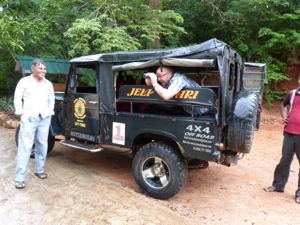
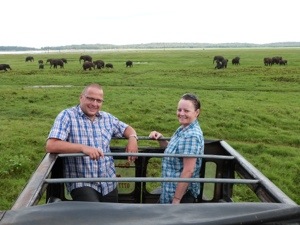
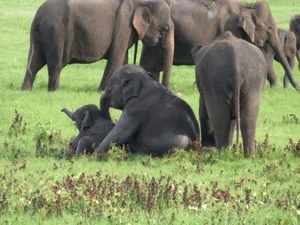
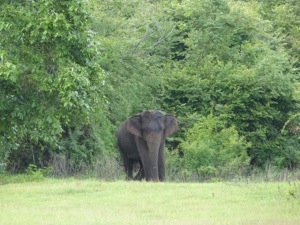
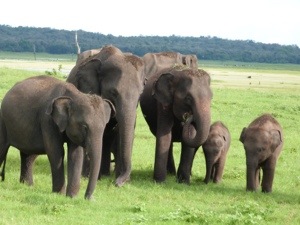
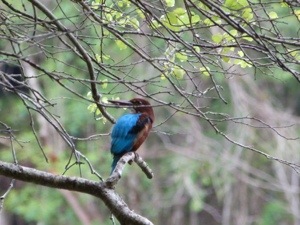
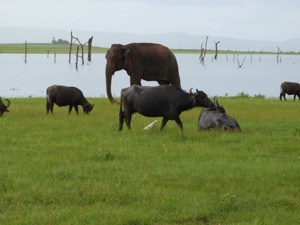
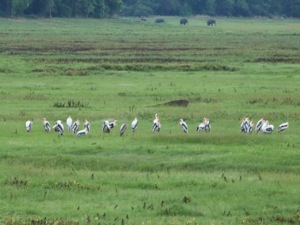
Our first 'safari' and we had an absolutely wonderful time 🙂 and took great delight in all the life here and the highlight was watching a stand off between two young elephant bulls. It was very entertaining and we were glad of the driver's expertise in driving us out of their way as they charged each other.
Day 3: Sigiriya (Heritance Kandalama)
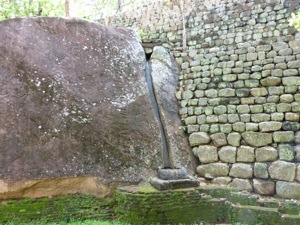
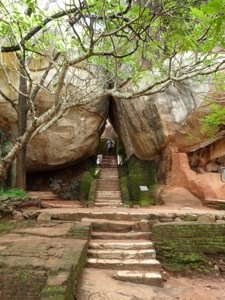
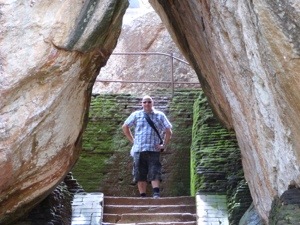
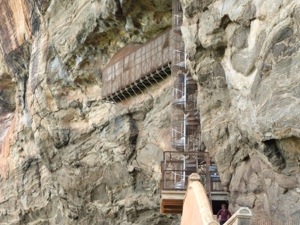
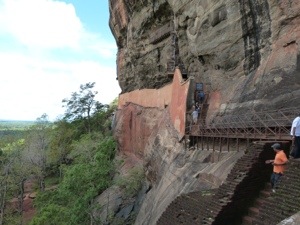
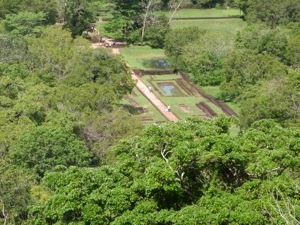
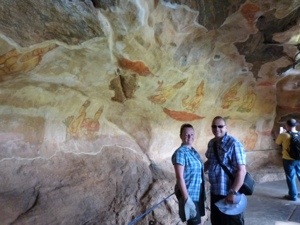
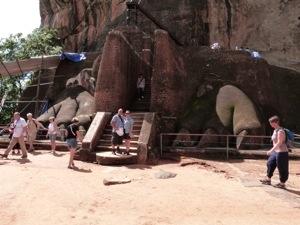
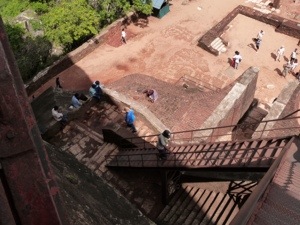
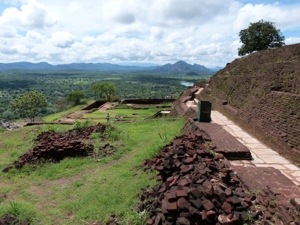
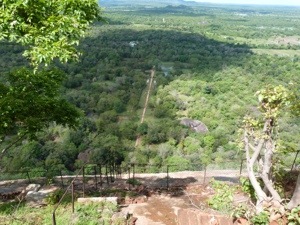
Sigiriya, The Lion Rock, with a stunning 5th Century rock fortress citadel built by a fugitive king in the sky acclaimed as the 8th wonder of the world. Other marvels include the mirror wall, lion stairway, water gardens and glowing colourful frescoes. Our exercise of the day was to climb this incredible 5th Century Sigiriya Rock Fortress, which is a World Heritage site – a palace built by King Kashyapa (477-495AD). To witness this amazing place and the sheer magnitude of the the work entailed in its construction into this rock was mind blowing. The 'Lion Rock' is a citadel of unusual beauty rising 200 metres from the scrub jungle. The rock was the innermost stronghold of the 70 hectare fortified town. A moat, rampart, and extensive gardens including the renowned water gardens ring the base of the rock. As in India, the remains are a testament to the time these palaces were constructed and we can only wander at the workmanship of that age. After a lengthy climb, we arrive at the world-renowned frescoes of the 'Heavenly Maidens' of Sigiriya, painted in earth pigments on plaster and which are in a sheltered pocket of the rock approached by a spiral stairway. Once at the top of the rock, we are rewarded by spectacular views of the surrounding countryside and can see just how impressive the water gardens and rock frescoes are.
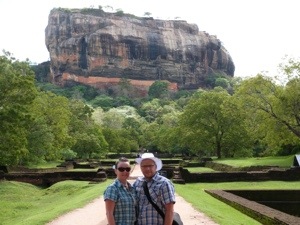
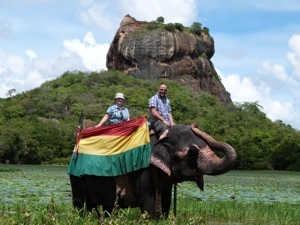
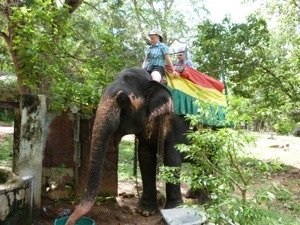
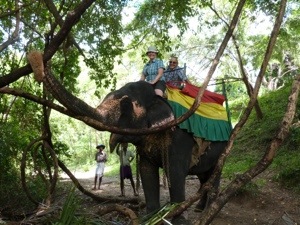
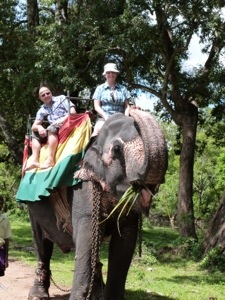
During the afternoon, we do the 'tourist thing' and take an elephant ride. As wonderful an experience this was I do struggle to ignore the the chains limiting his strides as he takes us for our ride and we both hope one day our travels will take us somewhere where this isn't the case. Saying that though, this elephant seemed quite happy and his 'carer' – they only form a relationship with one – was kind and you could see the devotion he bestowed on this great animal.

Day 4: Cultural Triangle to Kandy (Earl's Regency Hotel)
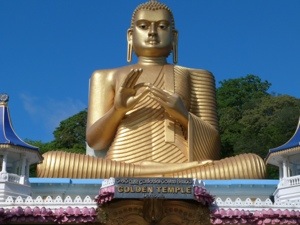
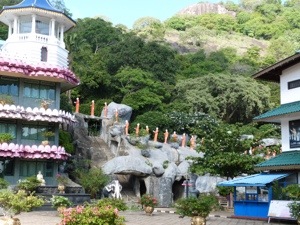
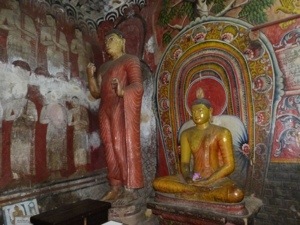
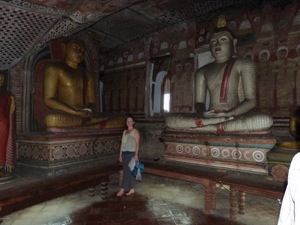
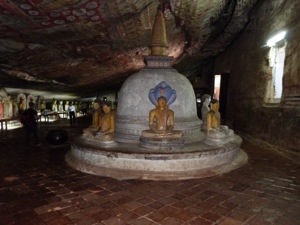
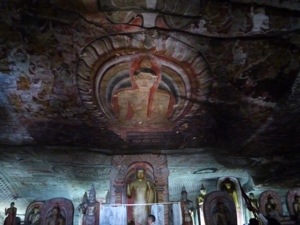
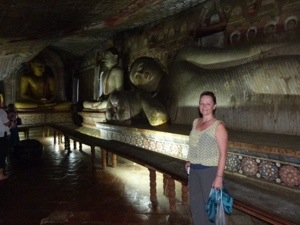
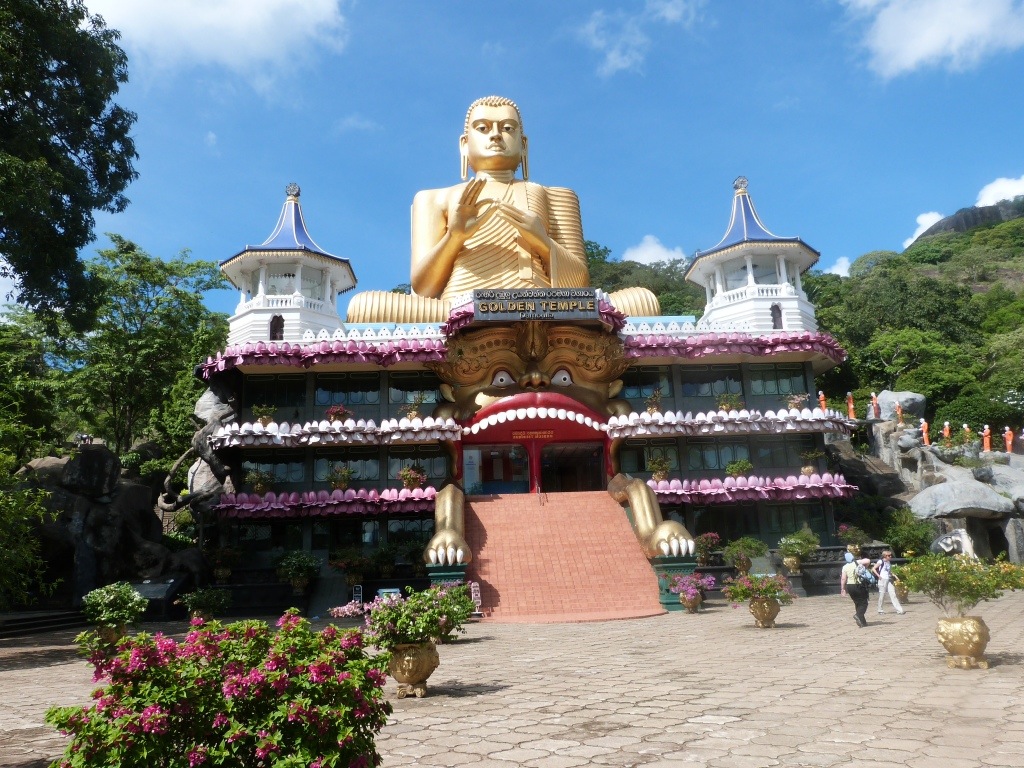
En route to Kandy, we visit Dambulla Rock Temple, renowned for its stunning cave paintings and statues. Another great climb takes us up to what is the most impressive of Sri Lanka's cave temples and we can see why. Dambulla is a vast isolated rock mass 500ft high and a mile around the base. Here we find the famous rock temple dating back to the first century BC which sheltered the king during his 14 years of exile. The view from the rock is magnificent and 350ft above is a series of five caves turned into shrines with over 2000 sq metres of painted walls and ceilings – this makes it the largest area of paintings in the world! The first cave holds a recumbent image of the Buddha 47ft long carved out of the rock amidst no less than 150 life size statues of Gods while the ceiling is covered with frescoes that depict the traditions and history of the Sinhalese people. Built by King Walagambahu in the first century BC it is now a world heritage site. Again, awesome construction given the time and lack of machinery available in those days.

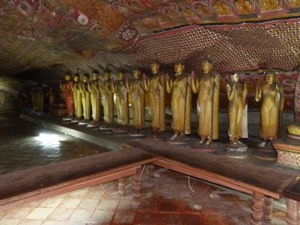
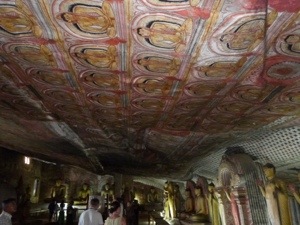
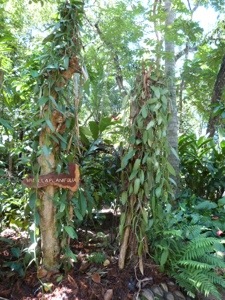
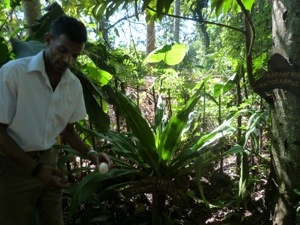
In the afternoon we make our way to the next hotel via a spice garden in Matale and a Gem Museum. At the spice garden we see different spices for which Sri Lanka is famous for and learn how they are grown and processed into a range of herbal remedy and potions. It is quite interesting and, following a massage with some of the oils (very nice thank you) we are inevitably taken into the shop 😦 for 'no pressure' selling. Yeh right!
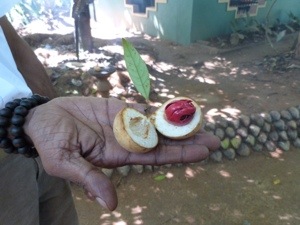
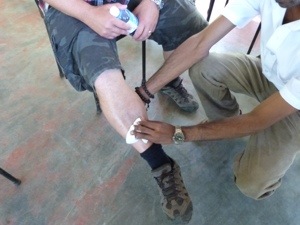
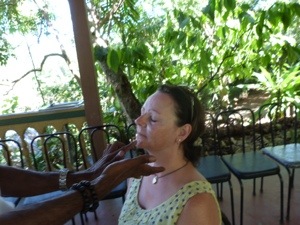
The Gem Museum is also very interesting, and we learn all the aspects of mining the gems and tour through the factory to see the process from design to production. Beautiful unique creations are created here and they really are magnificent. Again, we are finally taken through the showroom and go through the motions of looking around admiring everything knowing we will not be buying anything. The staff look ever hopeful and use their subtle sales techniques; if only they knew, lol. The owner had a very nice car though … …
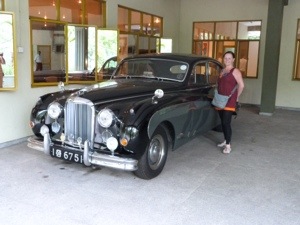
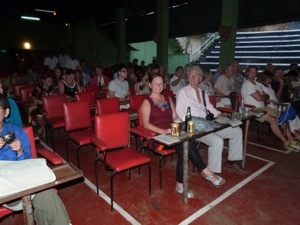
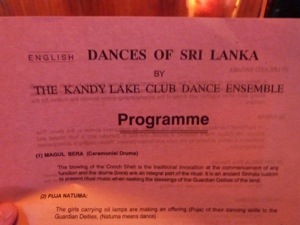
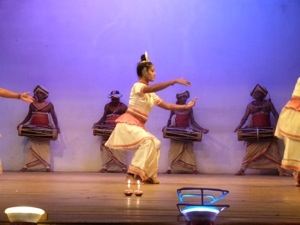
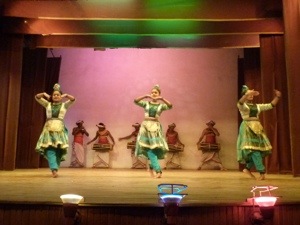
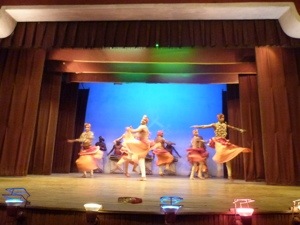
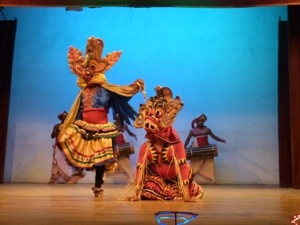
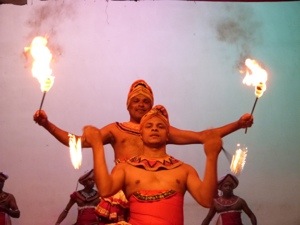
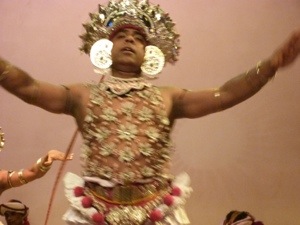
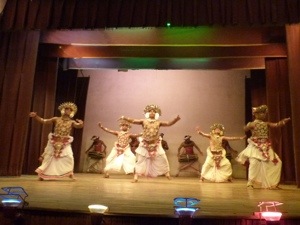
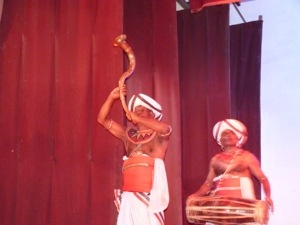
Finally, we arrive at another beautiful hotel (thank you Aitken Spence) and have time to swim and relax before being picked up again in the evening. This time we are off to see a cultural show which amuses us very much. Dances of Sri Lanka was performed by The Kandy Lake Club Dance Ensemble. Some can dance and some seem to struggle, and others are so enthusiastic it makes us laugh. All in all it was a good evening in the equivalent of a UK Working Men's Club and the outfits were very colourful.

Day 5: Kandy (Earl's Regency Hotel)
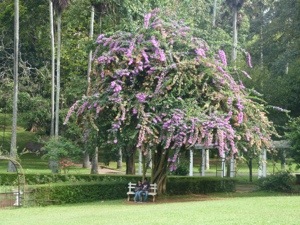
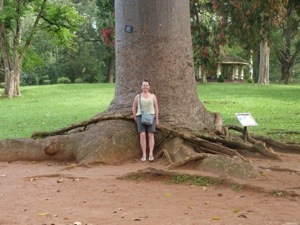
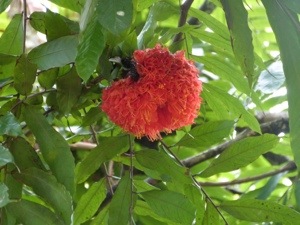
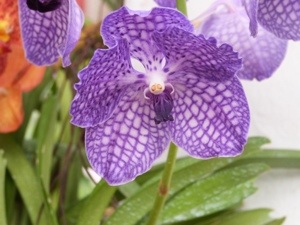
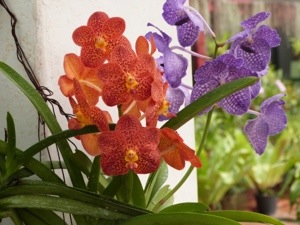
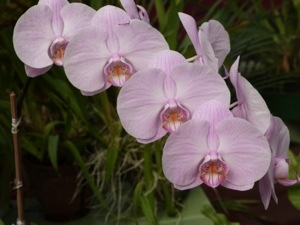
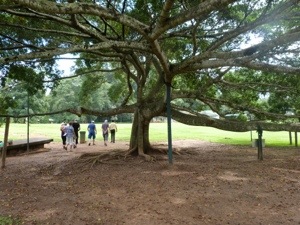
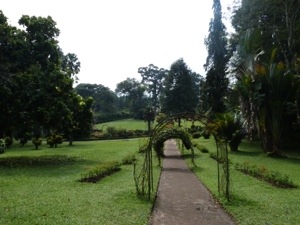
An 8.30am start takes us to the beautiful Peradeniya Botanical Garden which was built as a pleasure garden by a Sinhala King and was expanded by the British. It is 147 acres in extent and provides an amazing variety of trees, plants and flowers. It was nice to be out of the car and walking around in the fresh air (not climbing!!!!!) and we were enthralled by the mass of fruit bats with their antics and squealing.

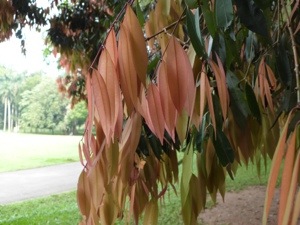
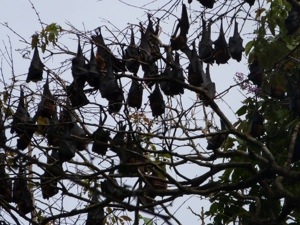
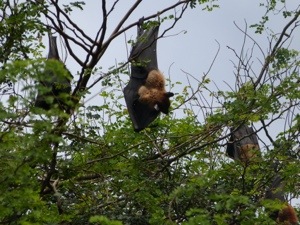
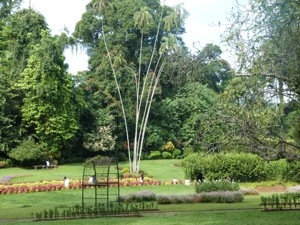
On our way back the hotel, we park up in the city of Kandy – The Charming Hill Capital, nestled amidst low hills and looped by the Mahaweli River. It is here that we visit the shrine of the Sacred Tooth Relic of the Buddha. Another elaborate temple built in honour of the remaining 'tooth' of the original Buddha and we are astonished by the amount of people passing through and / or worshipping.
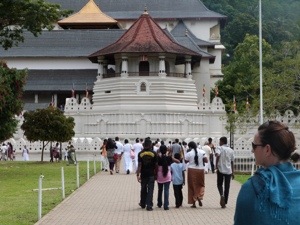
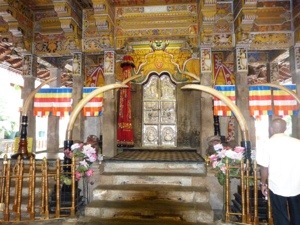
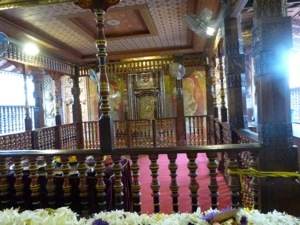
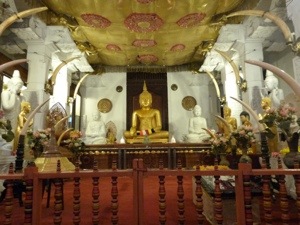
We walk through the city back to the car park – Kandy was the last capital of the Sri Lankan kings and is a World Heritage Site. Many of the legends, traditions and folklore are still lovingly kept alive here. Once in the car we drive around the Kandy lake built by the last Sinhala King, Sri Wickrama Rajasinghe in 1798. Kandy is a town full of bazaars, arts and crafts centres.
Day 6: Kandy to Nuwara Eliya (Heritance Tea Factory)
Nuwara Eliya because of its invigorating mountain climate and scenery, is Sri Lankas most popular hill resort and is the heart of Sri Lanka's tea country producing a significant share of the world's best tea. Sri Lanka's highest mountain, Pidurutalagala (8282 feet) is also located here as is one of the finest 18 hole golf courses in South Asia.
The British explorer Samuel Baker, famous for discovering the source of the Nile, whilst convalescing here was determined to make it as he called it ' a little English village in the hills '. He set about importing Hereford Cowes and planting vegetables and fruits. As we travelled up the hill, it certainly felt like home.
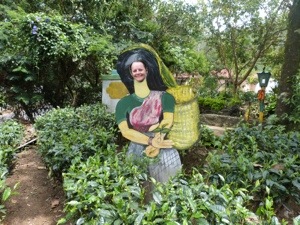
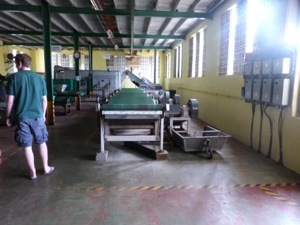
In Nuwara Eliya, we visit a tea plantation and have a very interesting insight into the production of a selection of teas. The plantation is huge and, nestled amongst the many hectares of tea bushes, is the factory where we witness the tea making process in action. It really is informative and we drink a cup of tea as it should be drunk; no sugar, no milk and extraordinarily as it may sound, if you find the tea strength to suit your palate, it is very nice indeed.
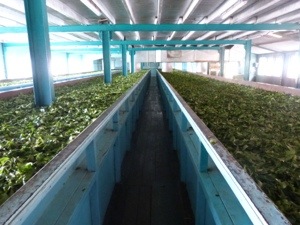
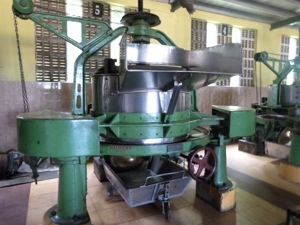

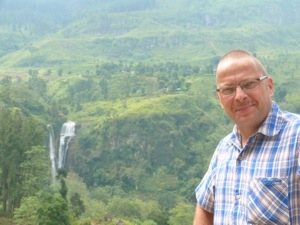
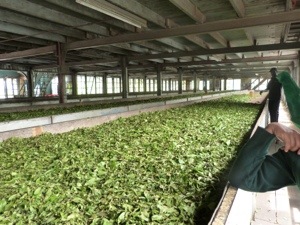
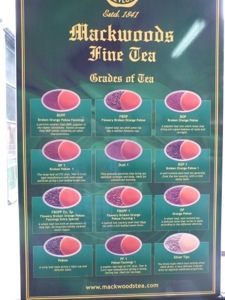
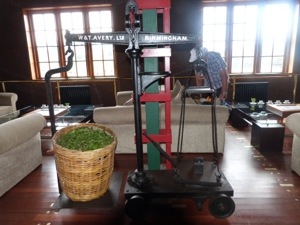
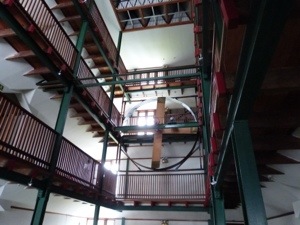
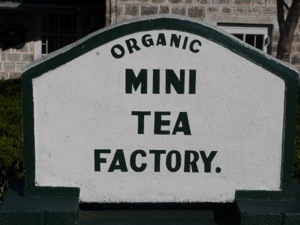
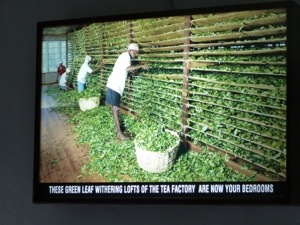
We continue to climb the scenic, winding roads up to Kandapola where we reach our peaceful hilltop hotel, the Heritance Tea Factory where we relax and enjoy the stunning mountain scenery. It is a beautiful old building and we learn that it used to be a working tea factory once upon a time. They still produce organic tea for the hotel in a very small factory in the grounds here. There is machinery, records and pictures which conjur up an image of how it all functioned in its heyday. Our bedrooms were originally the lofts where the leaves of the tea bush were left to dry – they are now dried on a huge machine with an industrial fan.
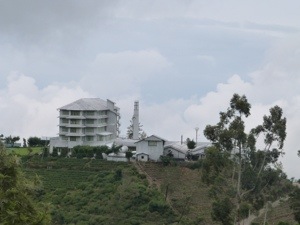
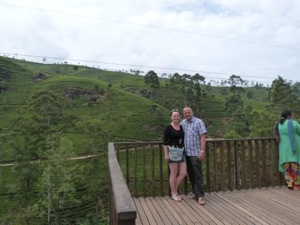
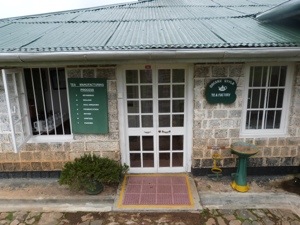
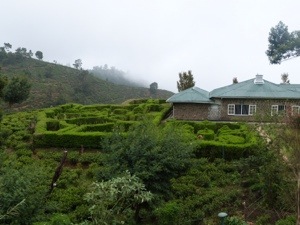
After relaxing with a few beers and a couple of games of pool we treat ourselves to a massage (swedish for him and warm stones for me). We have a lovely meal before retiring to bed well and truly shattered.
This part of our tour has been, dare we say it again (!) amazing. We love Sri Lanka. Fernando was the most knowledgeable person we have ever met – he was able to answer all of our queries and, believe me, we had many. He was very humorous and passionate about the history of this land of his.
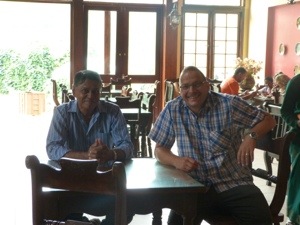
Tomorrow Fernando takes us to Yala. SAFARI TIME … EEEEEKKKK … We cannot wait!




























 Pitkins Around The World